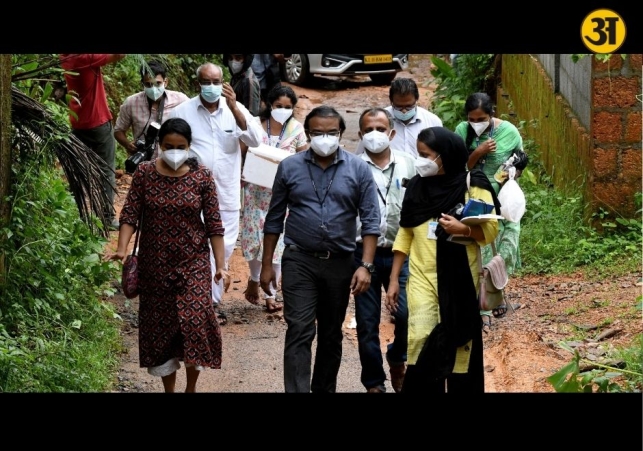
Understanding Nipah virus spread and prevention
Nipah virus outbreak in India: Spread, symptoms, risks and prevention explained
Health authorities across parts of Asia are increasing screening and monitoring after fresh Nipah virus cases were reported in India. Countries including Thailand, Singapore, Hong Kong and Malaysia have introduced extra checks and safety measures after two recent cases were detected in West Bengal. Although Nipah outbreaks usually remain limited, the virus is taken seriously because it can cause severe illness and has a high death rate if not controlled early.
Experts say Nipah virus outbreaks are rare but dangerous. According to the World Health Organization, the fatality rate can range between 40 and 75 percent depending on how quickly cases are detected and patients receive treatment. Human-to-human transmission is possible but does not spread as easily as common respiratory viruses. This is why early detection, isolation, and proper medical care are important to prevent further spread.
Nipah virus is mainly carried by fruit bats, also known as flying foxes. The virus can move from animals to humans and sometimes between humans through close contact. Understanding how the virus spreads and recognizing symptoms early can help communities reduce risks and protect vulnerable people.
How the virus spreads and symptoms appear
Doctors explain that Nipah virus usually spreads to humans through contaminated food or direct contact with infected animals. Fruits or fruit products, especially raw date palm juice, may become contaminated if fruit bats feed on them or leave saliva or urine on them. People who consume such contaminated food can become infected.
Animals such as pigs, dogs, cats, sheep and horses can also get infected and pass the virus to humans through close contact. In some outbreaks, pig farms became major sources of infection. Person-to-person transmission can occur when people come into contact with body fluids of an infected person, particularly in hospitals or homes where proper protective measures are not followed.
One of the biggest challenges with Nipah virus is its incubation period, which means the time between infection and the appearance of symptoms. Usually, symptoms appear within five to fourteen days, but in some cases, it may take up to forty-five days. During this period, infected individuals may not feel sick and can continue normal activities, unknowingly increasing the risk of spreading the virus.
Early symptoms often resemble common viral infections. These include fever, headache, muscle pain, fatigue, sore throat and general weakness. Because these signs are similar to flu or seasonal illness, many people ignore them or delay seeking medical help.
ALSO READ: Venezuela opens oil sector to private companies under new law after political upheaval
ALSO READ: Trump warns Iran next attack will be far worse if no nuclear deal is reached
As the disease progresses, symptoms can become more serious. Some patients develop dizziness, confusion, drowsiness and neurological problems. In severe cases, inflammation of the brain, called encephalitis, may occur. This condition can cause seizures, behavioural changes and even coma.
Breathing problems and respiratory distress are also possible. Patients with respiratory symptoms may have a higher chance of spreading the infection to people nearby through droplets and close contact.
Doctors also warn that recovery does not always mean the end of health problems. Some patients have experienced long-term neurological complications weeks or even months after recovery. This makes follow-up medical monitoring important for survivors.
Health risks and prevention steps
Nipah virus infection is serious because there is currently no specific antiviral treatment or vaccine available. Treatment mainly focuses on managing symptoms and supporting patients in hospitals. Early medical care greatly improves survival chances.
Health experts stress that prevention and early response remain the best protection. People who develop symptoms within two weeks of possible exposure should immediately seek medical advice. Quick isolation of suspected cases helps prevent further spread in families and communities.
Simple precautions can greatly reduce infection risks. People should avoid eating fruits that appear bitten or partially eaten by animals. Washing fruits thoroughly before consumption is also important. Drinking fresh, raw date palm juice should be avoided unless safety measures are confirmed, as bats are often attracted to collection pots.
In areas where outbreaks occur, limiting contact with sick animals is necessary. Farmers and animal handlers should use protective measures and report unusual illness or deaths among livestock to authorities.
Hospitals and healthcare workers must follow strict infection control practices, including wearing protective gear, proper sanitation, and isolating suspected patients. Family members caring for infected individuals should use gloves, masks and maintain hygiene while handling patients or their belongings.
Public awareness also plays a major role. People should avoid spreading panic but remain cautious. Accurate information and cooperation with health officials help contain outbreaks quickly.
Travel restrictions are usually not necessary unless outbreaks grow large, but travellers should follow health advisories when visiting affected areas. Anyone feeling unwell after travel should inform doctors about recent travel history.
While Nipah virus outbreaks are rare compared to other diseases, they remind people of the importance of hygiene, food safety and quick medical action. Early reporting, proper treatment and careful behaviour significantly reduce risks.
Health authorities continue monitoring the situation closely, and experts remain hopeful that careful precautions and community cooperation will help keep the outbreak under control. Staying informed and taking simple preventive steps can protect families and communities from serious infection risks.
Related News